We can't wait to hear from you
Connect
Discover how TMI credentials are designed to accelerate your career growth. Explore how TMI incorporates Talent Management into the practice and systems of Human Capital Management. Learn how you can steer your future confidently through TMI's research driven Talent Management standards. Fellow programs equip global HR professionals with the latest in Talent Management in the transformational way.
Explore how the TMP™, STMP™, and GTML™ credentials can take your HR career places, or add to the capabilities of your promising HR staff and leaders.
View CertificationsStrengthen your enterprise HR system by implementing the TMI-ETMS™ international standards.
Learn About TMI-ETMS™If you are interested in consulting, training or education, partner with TMI to join the global league of TMI aligned institutions, companies and industries.
Become a TMI PartnerLearn the latest about how Talent Management is transforming HR into a future oriented business hyperfunction.
Explore the TMI ApproachLearn the steps to earn your TMI certification, from application to successful completion and maintaining your credential.
TMI credentials include globally recognized digital badges, offering a portable and verifiable representation of your achievements.

Start your Talent Management career with TMI’s globally recognized certifications and resources to excel in your career.
Create myTMI Account TodayTMI Global and Associate Fellow programs turn HR professionals into global Talent Leaders who can drive growth with their superlative strategic ability, business perspective and readiness for change. Senior HR professionals and HR leaders from global organizations across industries have completed these programs, which establish new standards for the practice of talent management as a driver of organizational success and business competitiveness.
You can contact us here for more information.

TMI-ETMS10™ and TMI-ETMS14™ certified organizations are effective for restructuring Talent Management in an organization. With TMI, organizations are better, more agile and better prepared for challenges that are to come.
The TMI-Enterprise Talent Management Standards power enterprise HR with the latest in Talent Management.
To choose a TMI-ETMS™ version most appropriate for your organization!
Write to us via the contact form.

Partnering with TMI means building a powerful structure of Talent Management thought and practice resulting in business profits through standards, certifications and networks.
Get your HR staffers and managers TMI certified on Talent Management by adding TMI into your training regimen. One step toward embedding TMI credentials in your institutions curricula is to become a TMI-ETMS™ consulting partner. Join us to be a part of the groundbreaking work of Talent Management.

If you hold an elite international qualification in HR or a related discipline, possess a recognized HR credential, or studied HRM at a TMI-recognized institution, you may be eligible for an accelerated pathway to a TMI credential through QualiFly™ leading to TMP™, STMP™ or GTML™.
 Institutions
Explore Certification Bodies, Universities, B-Schools & Other Institutions recognized by TMI under the Q1, Q2, and Q3 Lists.
Check if your institution is recognized
TMI’s blogs cover the latest trends, insights, and best practices in HR and talent management.
Comprehensive guides covering talent development, HR metrics, key facts, and more.
Explore TMI's latest updates, announcements, news and press releases in our newsroom.
Strategic insights driving the future of talent, leadership, and global workforce excellence.
Dive into the inspiring journeys of TMI certification holders and learn how the certification has transformed their careers.
An Interview series featuring key advice from global talent leaders for future HR professionals.
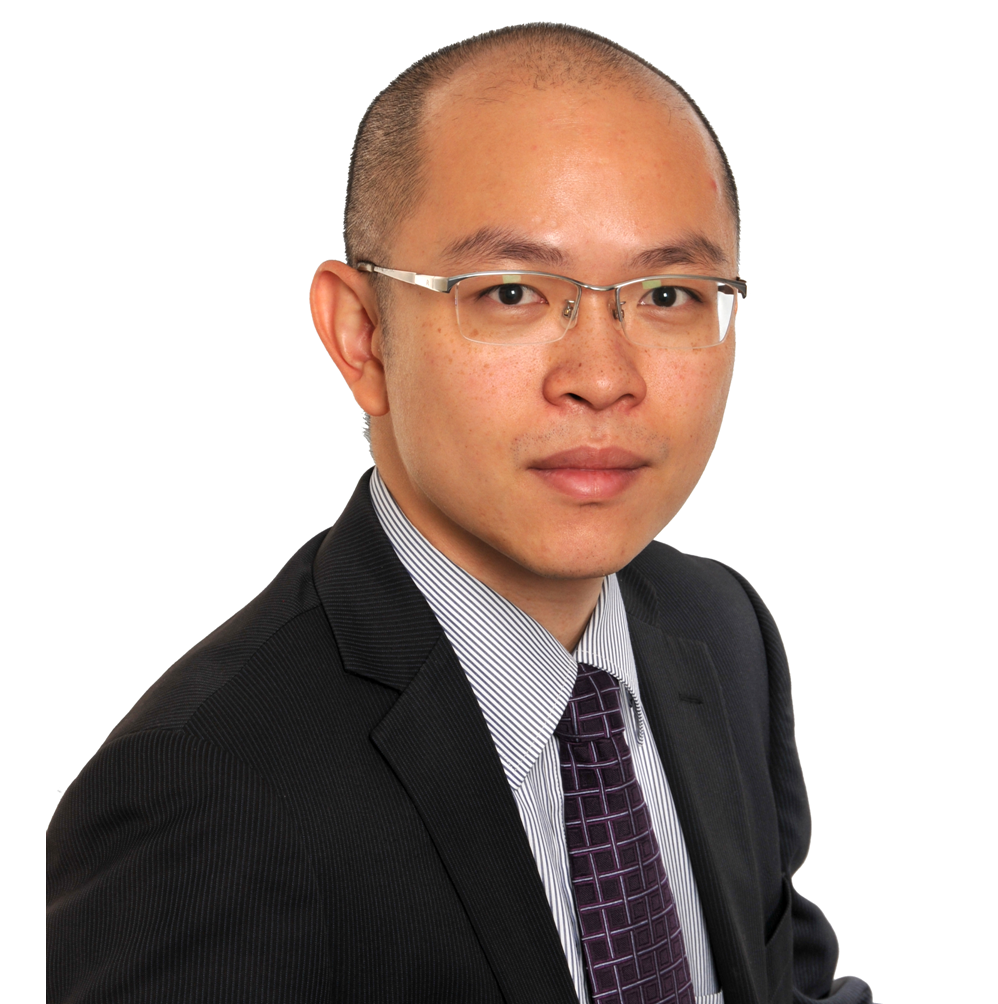
Gabriel Nam is a talent management specialist at Mercuri Urval with more than twenty years of experience in executive search and leadership advisory. He is a Certified ESG Analyst and holds the GTML™ qualification. He lectures part‑time on sustainability, talent management, and leadership.

HR leaders have long been expected to serve as strategic business partners. AI adoption, business transformation, and geopolitical uncertainty are raising expectations for chief human resources officers (CHROs). As boards and CEOs reassess leadership requirements, the CHRO role is becoming more closely tied to enterprise strategy, workforce capability, and organizational performance.
In Talent Strategy Group’s 2025 study of Fortune 200 companies, 90% of sitting CHROs and chief people officers (CPOs) had prior HR experience, while 46% had experience outside the HR function. These findings show that functional expertise remains the norm, even as many leaders bring broader business exposure to the role.
Leaders with commercial, operational, legal, or general management experience may be better positioned to connect talent decisions with business priorities. This does not mean companies are abandoning traditional HR career paths. It suggests that effective HR leadership increasingly combines functional credibility with business judgment and the ability to influence enterprise outcomes.
Talent Strategy Group also found that 25% of sitting Fortune 200 CHROs and CPOs had global experience. International assignments can strengthen a leader’s ability to work across cultures, markets, and regulatory environments, but they are not a universal feature of the role.
Executive location requirements vary. In Spencer Stuart’s 2022 analysis of CHRO placements, 31% allowed remote work or occasional commuting, while 51% required relocation to headquarters. Practices differ by company and industry.
Flexible arrangements may expand the pool of prospective leaders, including those outside traditional headquarters markets. They do not eliminate the need for regular engagement with senior management or an understanding of local business conditions.
Internal promotion remains a major path to the CHRO role, although rates vary by market. In 2024, 53% of new Fortune 200 CHRO and CPO appointments were internal, down from 73% in 2023. Across markets tracked by Russell Reynolds Associates, CHRO appointments in the first half of 2026 were 48.4% internal and 51.6% external. In the S&P 500, 65% were external.
Internal successors offer institutional knowledge, established stakeholder relationships, and an understanding of company culture. External candidates can bring fresh perspectives, specialized expertise, or experience leading similar transformations. The right choice depends on the organization’s strategy and the strength of its succession pipeline.
CHRO turnover also frequently accompanies CEO transitions. Talent Strategy Group reported that CHRO or CPO turnover followed 52% of the Fortune 200 CEO changes examined in its 2024 analysis. Boards therefore face a continuing challenge: preserving organizational knowledge while bringing in the capabilities needed for a new leadership agenda.
CHRO representation on corporate boards remains limited. In research published in 2023, Semler Brossy found that only 8% of S&P 500 boards included a current or former CHRO.
Yet boards are expected to oversee human capital, culture, executive succession, workforce transformation, and related governance risks. Former CHROs can contribute relevant experience, helping directors assess whether leadership capabilities, organizational culture, and talent plans can support business strategy.
As boards place greater emphasis on these issues, more HR leaders may pursue independent director roles and deliberately develop board-ready profiles. Whether that translates into more appointments will depend on how boards define the expertise they need.
The market for senior HR leaders is uneven rather than uniformly contracting. Russell Reynolds Associates recorded 95 global CHRO appointments in the first half of 2026, up from 79 in the same period of 2025. The S&P 500 followed a different pattern: its CHRO appointment rate declined from 7.8% to 4.6% across those periods.
These differences matter to employers and candidates. Some companies may delay senior hiring during periods of uncertainty, while others may recruit experienced HR leaders to support restructuring, growth, or enterprise transformation. Hiring demand is shaped by business priorities and cannot be reduced to a single global trend.
Interim and fractional leadership models are one response to changing needs. In its 2026 High-End Independent Talent Report, Heidrick & Struggles reported that CHRO and CPO roles made up 7% of interim C-suite requests in its dataset. An interim executive can provide experienced leadership during a transition, acquisition, or time-limited transformation without an immediate permanent appointment.
The CHRO role, however, involves sensitive decisions and close relationships with the CEO and board. An interim arrangement may work well when responsibilities and decision rights are clear; in other circumstances, a focused senior HR advisory or transformation assignment may be more suitable than a fractional CHRO appointment.
The CHRO role is becoming more complex, visible, and consequential. The next generation of HR leaders will be assessed not only on their ability to manage people processes, but also on how effectively they connect talent decisions to strategy, strengthen organizational resilience, and guide leadership transitions.
For aspiring CHROs, the priority is to build broader business experience without losing functional depth. Cross-functional assignments, international exposure where relevant, and active participation in business transformation can help develop the judgment and credibility required for enterprise leadership.
Gabriel Nam is a talent management specialist at Mercuri Urval with more than twenty years of experience in executive search and leadership advisory. He is a Certified ESG Analyst and holds the GTML™ qualification. He lectures part‑time on sustainability, talent management, and leadership.

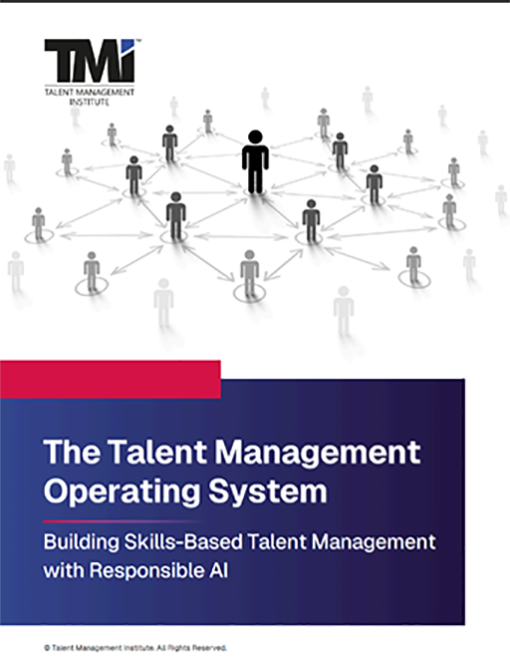
Prepare your organization for the next era of talent management with a practical framework for building a skills-first, AI-enabled workforce.
Inside the guide:

CredBadge™ is a proprietary, secure, digital badging platform that provides for seamless authentication and verification of credentials across digital media worldwide.
CredBadge™ powered credentials ensure that professionals can showcase and verify their qualifications and credentials across all digital platforms, and at any time, across the planet.

Please enter the License Number/Unique Credential Code of the certificant. Results will be displayed if the person holds an active credential from TMI.